
Next-Gen Infrastructure
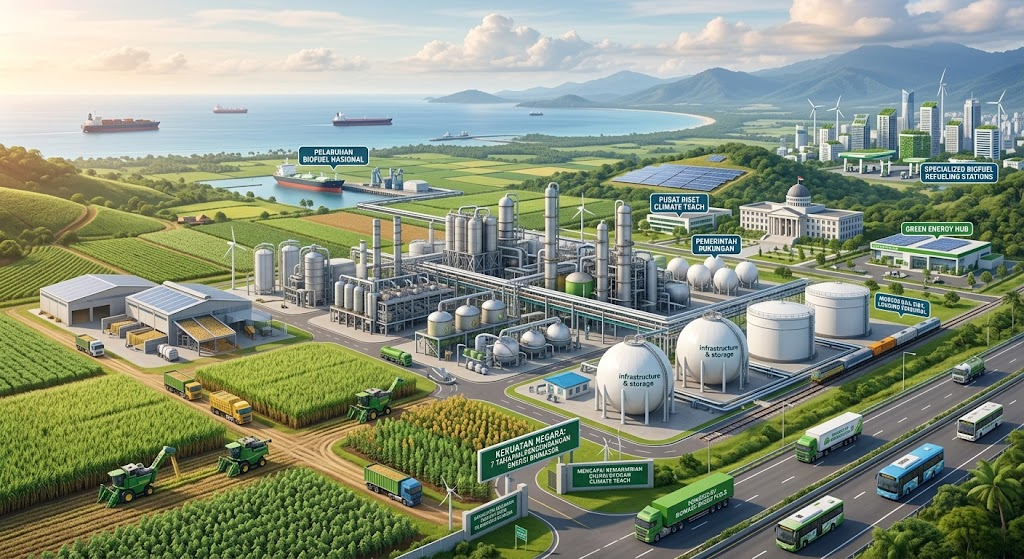
7 Stages of Biomass Energy Development
As a tropical and agricultural country, our country is rich in biomass resources, with plants growing all year round without a break. We should be the first country to break free from dependence on imported fossil fuels—a situation now disrupted by war.
The following is 7 stages development of biomass-based biofuels, you can start at any stage, Climate Teach team ready to assist with appropriate technology solution for it.
Our Core Solutions
Comprehensive renewable energy infrastructure designed for maximum efficiency and minimal environmental impact from biomass to gas and liquid fuels.
Biochar Beyond Fuel
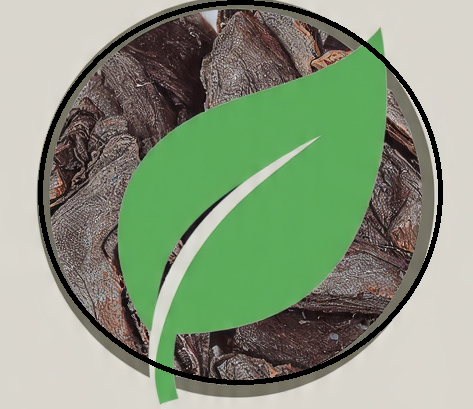
Biochar is a highy versatile carbon-rich material created through the pyrolysis of organic waste, with applications extending far beyond its use as a solid fuel. Its unique properties—high porosity, large surface area, and chemical stability—enable its use in environmental remediation, agriculture, and materials science.
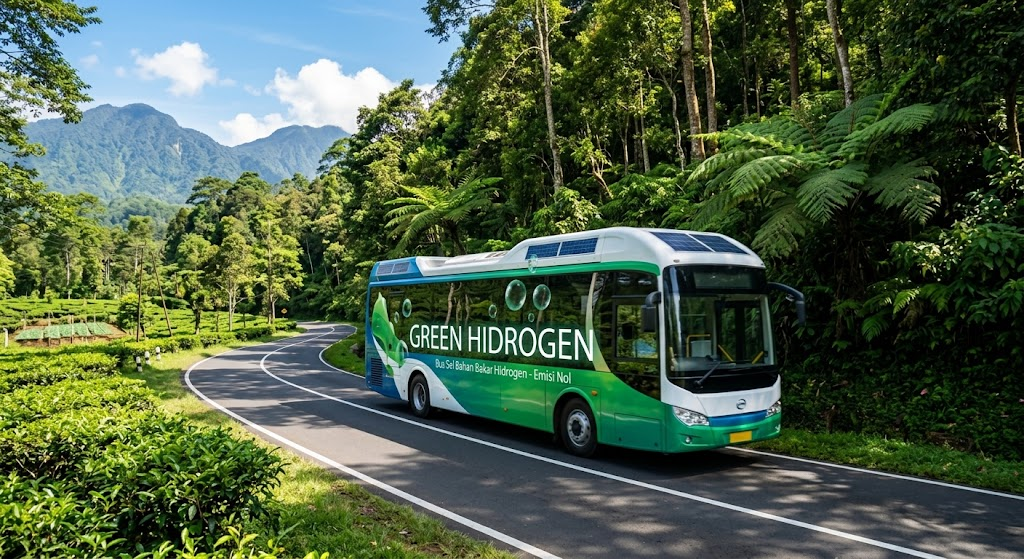
Green Hydrogen from Syngas
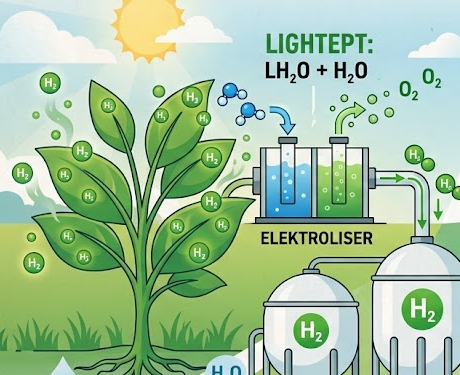
Syngas is a highly versatile fuel mixture primarily composed of hydrogen (H2), carbon monoxide (CO), carbon dioxide (CO2) and methane (CH4), that can be produced from virtually any organic matter. This gas is one of the best precursor of green hydrogen, from a flexible pyrolysis plant into green hydrogen (H2) offers a highly lucrative, low-carbon pathway.
Biocoal and Biochar Production in Single Process
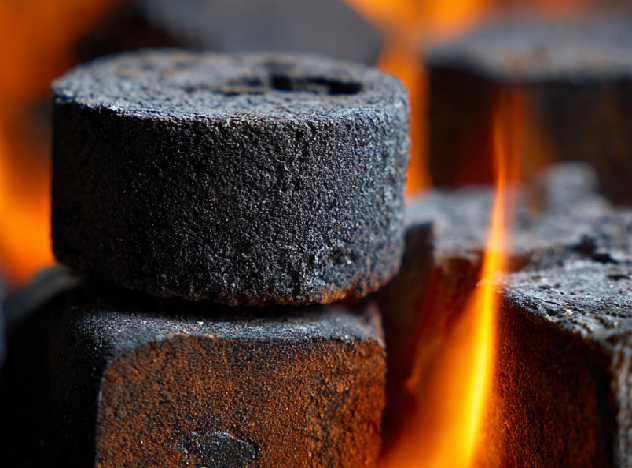
t is an efficient, rapid, and sustainable thermochemical process for converting biomass into high-quality biocoal (solid fuel) and biochar by using electromagnetic radiation for internal heating. It enables faster heating, precise temperature control, and often higher carbon yields compared to conventional heating, producing porous, stable carbon-rich materials.
Latest From CLIMATECH
-
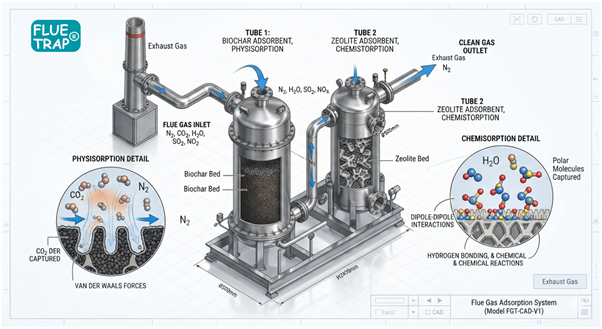
Next-Generation Multi-Stage Emission Control
Meeting strict environmental mandates while controlling soaring operational expenditures. Standard single-stage scrubbers require massive energy and costly chemical treatments. Our Dual-Tube Flue Gas Trap solves this with a revolutionary two-stage separation process. It isolates and neutralizes emissions at the molecular level with near-zero energy input. Stage 1: High-Volume Carbon Capture Target: Non-polar molecules like CO2.Sorbent:…
-
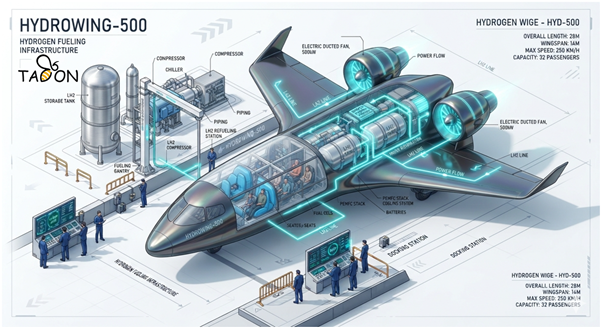
Nusantara Hydrowing: Revolutionizing Inter-Island Mobility
Indonesia is the world’s largest archipelagic state, spanning over 17,500 islands. Its economic growth is fundamentally bottlenecked by fragmentation. Current maritime transport is painfully slow, while aviation is cost-prohibitive and limited by rigid infrastructure. Nusantara Hydrowing introduces a disruptive category of maritime aerospace: Hydrogen-Fueled Wing-in-Ground-Effect (WIGE) vessels. Indonesia’s geography creates a massive transport deficit: The…
-
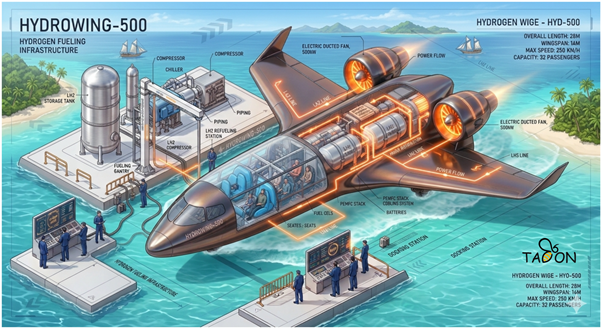
Nusantara Hydrowing – Unlocking the Indonesian Archipelago
Nusantara Hydrowing is building the world’s first clean-hydrogen, high-speed maritime transit network for Indonesia. By deploying Wing-in-Ground-Effect (WIGE) vessels operating in the “ground effect” cushion just above the sea, we bypass both the extreme energy costs of traditional aviation and the slow, carbon-heavy infrastructure of conventional marine ferries. Indonesia is the world’s ultimate sandbox for…
03+
Projects Completed
10+
Journl Generated
100k
Tons CO2 Saved
Our Mission
1000 TPD Waste to Wealth Model
An intermediate pyrolysis facility treating 1,000 tons per day (tpd) of processed Indonesian Municipal Solid Waste (MSW) yields 300 tpd of Char, 400 tpd of Pyrolytic Oil, 250 tpd of Syngas, and 4.17 MW of electricity via an Organic Rankine Cycle (ORC) waste heat recovery loop
- ✅ Industry-leading conversion efficiency
- ✅ Minimal footprint installation processes
- ✅ 24/7 intelligent grid monitoring