
Next-Gen Infrastructure
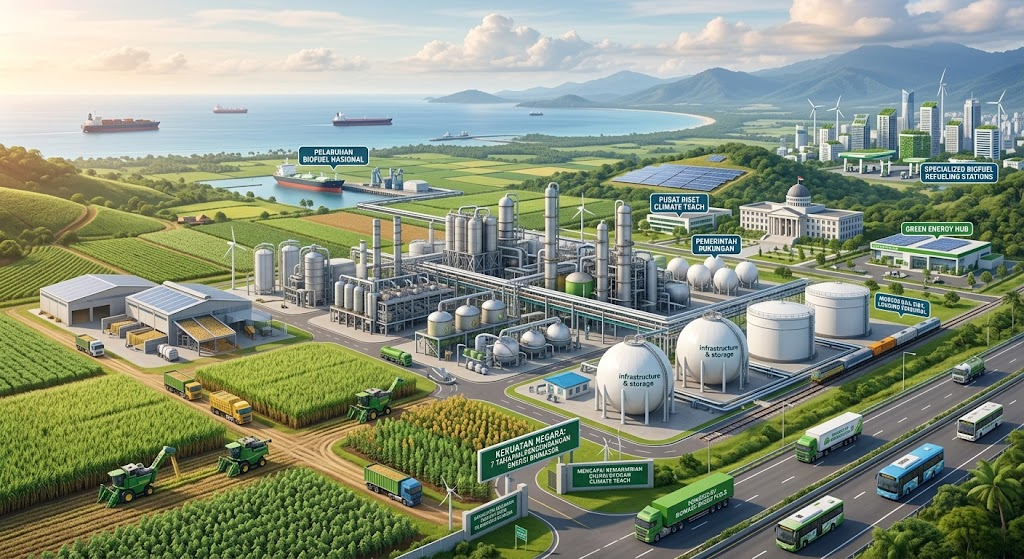
7 Stages of Biomass Energy Development
As a tropical and agricultural country, our country is rich in biomass resources, with plants growing all year round without a break. We should be the first country to break free from dependence on imported fossil fuels—a situation now disrupted by war.
The following is 7 stages development of biomass-based biofuels, you can start at any stage, Climate Teach team ready to assist with appropriate technology solution for it.

Our Core Solutions
Comprehensive renewable energy infrastructure designed for maximum efficiency and minimal environmental impact from biomass to gas and liquid fuels.
Biochar Beyond Fuel
Biochar is a highy versatile carbon-rich material created through the pyrolysis of organic waste, with applications extending far beyond its use as a solid fuel. Its unique properties—high porosity, large surface area, and chemical stability—enable its use in environmental remediation, agriculture, and materials science.
Green Hydrogen from Syngas
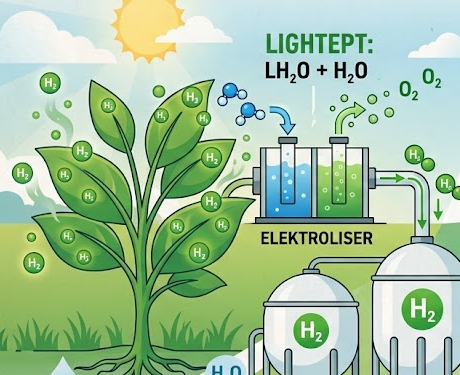
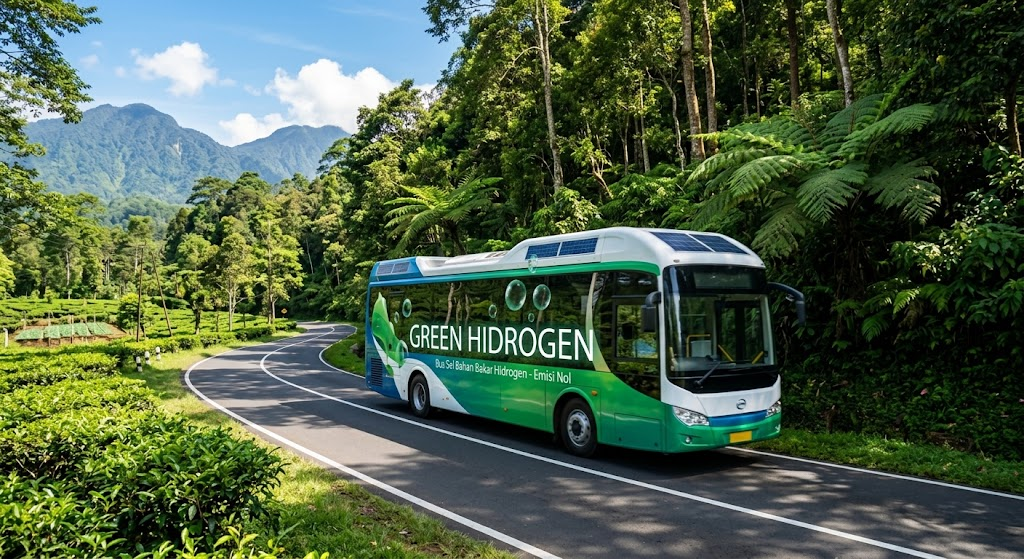
Syngas is a highly versatile fuel mixture primarily composed of hydrogen (H2), carbon monoxide (CO), carbon dioxide (CO2) and methane (CH4), that can be produced from virtually any organic matter. This gas is one of the best precursor of green hydrogen, from a flexible pyrolysis plant into green hydrogen (H2) offers a highly lucrative, low-carbon pathway.
Biocoal and Biochar Production in Single Process
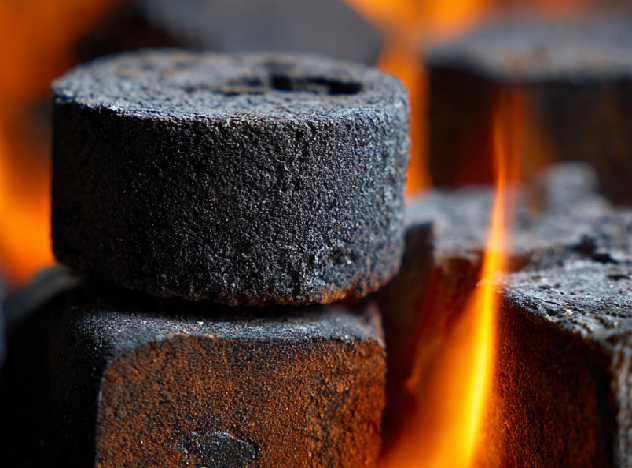
t is an efficient, rapid, and sustainable thermochemical process for converting biomass into high-quality biocoal (solid fuel) and biochar by using electromagnetic radiation for internal heating. It enables faster heating, precise temperature control, and often higher carbon yields compared to conventional heating, producing porous, stable carbon-rich materials.
Latest From CLIMATECH
-
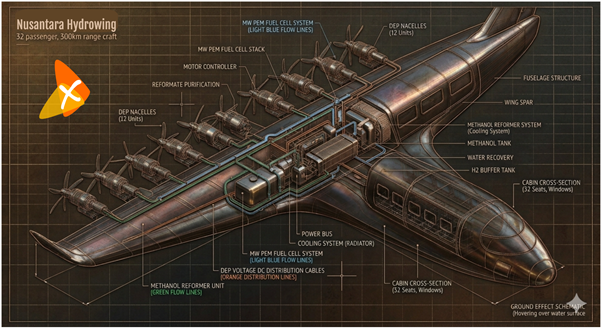
Engine Design for the Nusantara Hydrowing
When designing the propulsion system for the Nusantara Hydrowing wing-in-ground-effect (WIGE) vessel, we had to prioritize infrastructure accessibility—specifically regarding fuel. The fuel needed to be readily available even on the most remote islands across Indonesia’s archipelago of approximately 17,500 islands. The resulting design features a Distributed Electric Propulsion (DEP) system powered by Reformed Methanol Fuel…
-
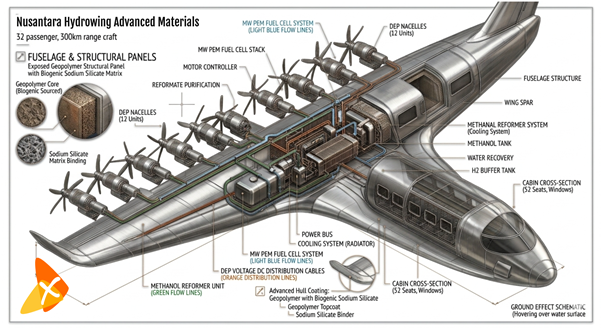
Slashing Emissions and Marine Drag: Structural Solution for WIGE Hull
Wing-in-Ground-Effect (WIGE) aviation demands absolute optimization: maximum structural stiffness, minimal empty weight, and ruthless resistance to wave-slamming and marine corrosion. As we scale production of our next-generation WIGE crafts, traditional aluminum alloys and carbon-intensive composites force an unacceptable compromise between high manufacturing costs, extreme carbon footprints, and severe salt-water degradation. Our Advanced Bio-Geopolymer Composite Matrix…
-
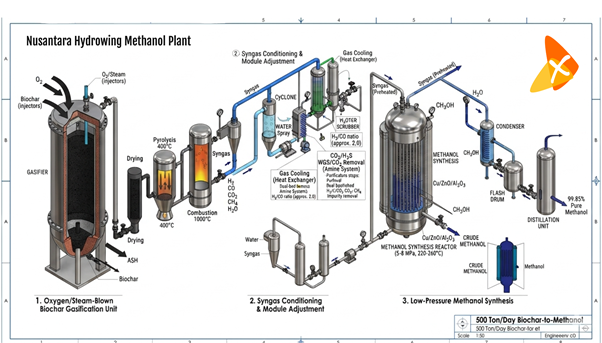
500 TPD of Biochar to Support Bio-Methanol Fuel for Nusantara Hydrowing
We can capture a high-margin wedge in the rapidly growing €100B green maritime fuel and aviation market. By combining a secured 500 tons per day (TPD) biochar supply chain with advanced thermochemical gasification, this project bypasses the typical pitfalls of waste-to-energy projects. Instead of processing unpredictable, wet municipal waste, the feedstock is pre-concentrated, high-density carbon.…
03+
Projects Completed
10+
Journl Generated
100k
Tons CO2 Saved
Our Mission
1000 TPD Waste to Wealth Model
An intermediate pyrolysis facility treating 1,000 tons per day (tpd) of processed Indonesian Municipal Solid Waste (MSW) yields 300 tpd of Char, 400 tpd of Pyrolytic Oil, 250 tpd of Syngas, and 4.17 MW of electricity via an Organic Rankine Cycle (ORC) waste heat recovery loop
- ✅ Industry-leading conversion efficiency
- ✅ Minimal footprint installation processes
- ✅ 24/7 intelligent grid monitoring