
Next-Gen Infrastructure
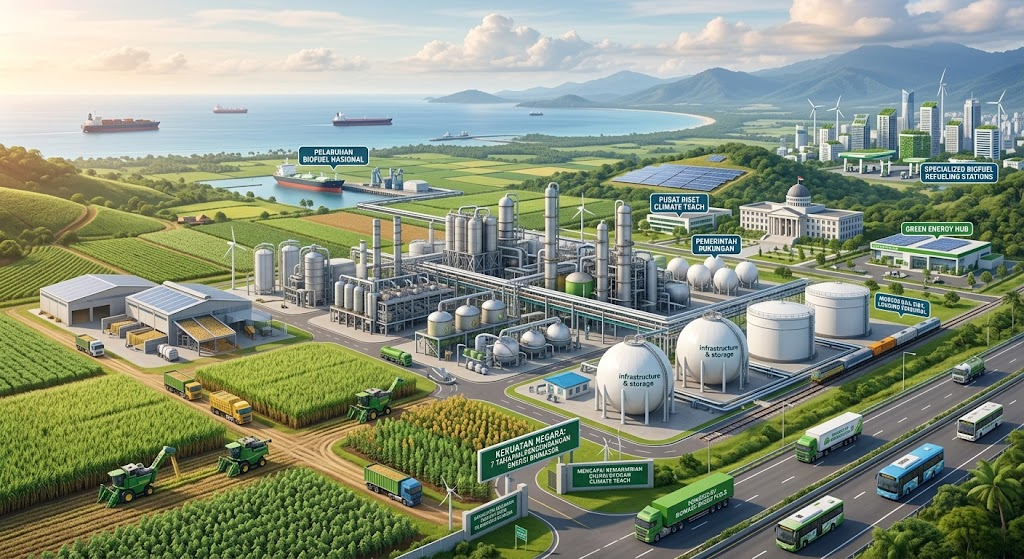
7 Stages of Biomass Energy Development
As a tropical and agricultural country, our country is rich in biomass resources, with plants growing all year round without a break. We should be the first country to break free from dependence on imported fossil fuels—a situation now disrupted by war.
The following is 7 stages development of biomass-based biofuels, you can start at any stage, Climate Teach team ready to assist with appropriate technology solution for it.

Our Core Solutions
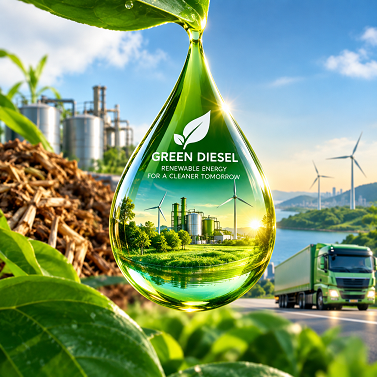
Comprehensive renewable energy infrastructure designed for maximum efficiency and minimal environmental impact from biomass to gas and liquid fuels.
Biochar Beyond Fuel
Biochar is a highy versatile carbon-rich material created through the pyrolysis of organic waste, with applications extending far beyond its use as a solid fuel. Its unique properties—high porosity, large surface area, and chemical stability—enable its use in environmental remediation, agriculture, and materials science.
Green Hydrogen from Syngas
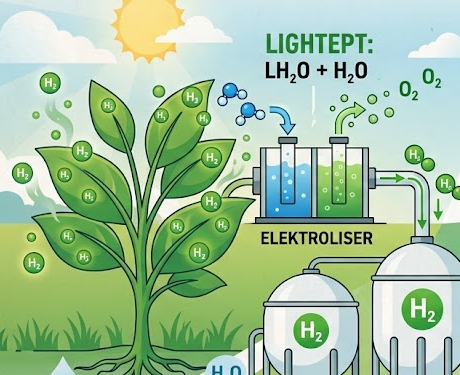
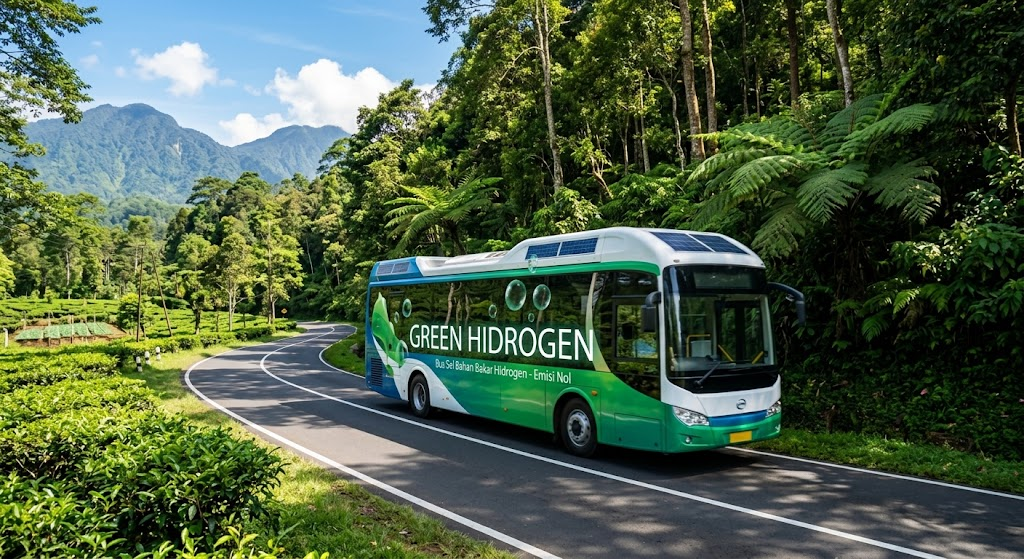
Syngas is a highly versatile fuel mixture primarily composed of hydrogen (H2), carbon monoxide (CO), carbon dioxide (CO2) and methane (CH4), that can be produced from virtually any organic matter. This gas is one of the best precursor of green hydrogen, from a flexible pyrolysis plant into green hydrogen (H2) offers a highly lucrative, low-carbon pathway.
Biocoal and Biochar Production in Single Process
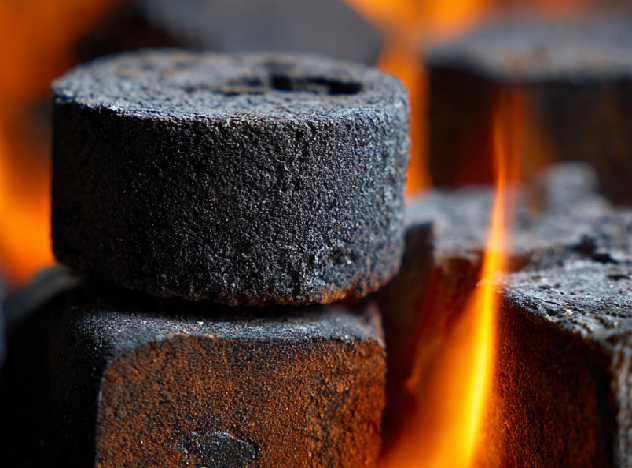
t is an efficient, rapid, and sustainable thermochemical process for converting biomass into high-quality biocoal (solid fuel) and biochar by using electromagnetic radiation for internal heating. It enables faster heating, precise temperature control, and often higher carbon yields compared to conventional heating, producing porous, stable carbon-rich materials.
Latest From CLIMATECH
-
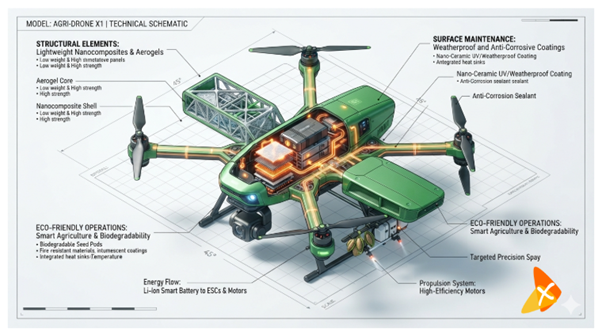
Revolutionizing Drone Performance with Bio-Waste Tech
The commercial drone market is exploding, projected to surpass $50B by 2030. However, the industry faces massive structural roadblocks: severe flight-time limitations due to battery weight, catastrophic thermal runaway risks, and high carbon footprints from synthetic composites. Manufacturers are desperate for lighter, safer, and greener materials. We turn low-value agricultural waste (rice husk ash) into…
-
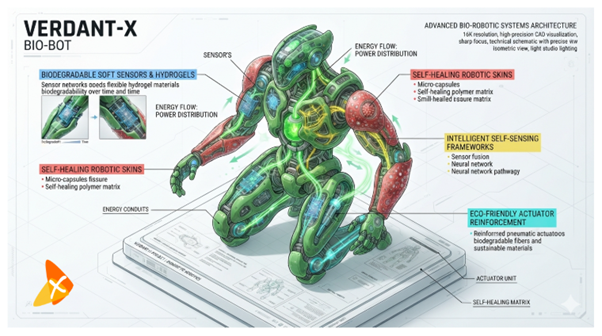
Elevating Green Robotics: The Sustainable, Self-Sensing Material Solution
Biogenic sodium silicate is the ultimate key to unlocking the next generation of eco-friendly, intelligent soft robots. By moving away from carbon-intensive mined minerals and petroleum-based plastics, this biogenic material transforms agricultural waste into a high-performance cornerstone for sustainable automation. Here is how incorporating biogenic sodium silicate into your robotic architectures will give your product…
-
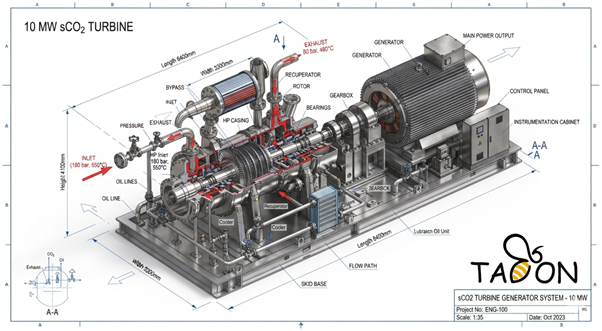
10 Megawatts With Zero Water and The Footprint of a Desk
What if your facility’s carbon footprint wasn’t a liability, but your greatest power-generating asset? Imagine squeezing 10 Megawatts of baseload electricity—enough to power 10,000 homes or small remote island in one of ~17,500 islang in Indonesia—out of a turbine system so small it can sit on a single equipment skid.We have re-engineered power generation by…
03+
Projects Completed
10+
Journl Generated
100k
Tons CO2 Saved
Our Mission
1000 TPD Waste to Wealth Model
An intermediate pyrolysis facility treating 1,000 tons per day (tpd) of processed Indonesian Municipal Solid Waste (MSW) yields 300 tpd of Char, 400 tpd of Pyrolytic Oil, 250 tpd of Syngas, and 4.17 MW of electricity via an Organic Rankine Cycle (ORC) waste heat recovery loop
- ✅ Industry-leading conversion efficiency
- ✅ Minimal footprint installation processes
- ✅ 24/7 intelligent grid monitoring