
Next-Gen Infrastructure
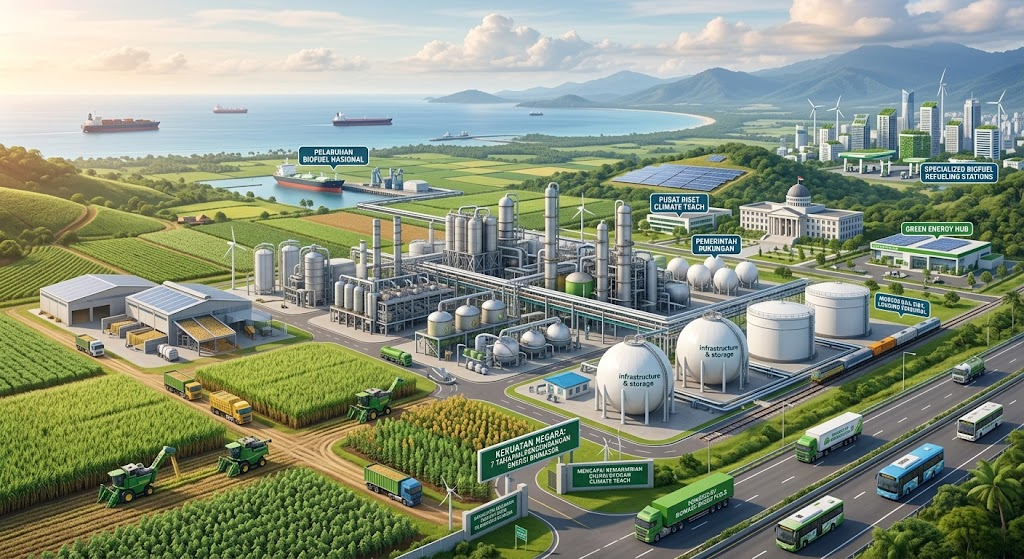
7 Stages of Biomass Energy Development
As a tropical and agricultural country, our country is rich in biomass resources, with plants growing all year round without a break. We should be the first country to break free from dependence on imported fossil fuels—a situation now disrupted by war.
The following is 7 stages development of biomass-based biofuels, you can start at any stage, Climate Teach team ready to assist with appropriate technology solution for it.
Our Core Solutions
Comprehensive renewable energy infrastructure designed for maximum efficiency and minimal environmental impact from biomass to gas and liquid fuels.
Biochar Beyond Fuel
Biochar is a highy versatile carbon-rich material created through the pyrolysis of organic waste, with applications extending far beyond its use as a solid fuel. Its unique properties—high porosity, large surface area, and chemical stability—enable its use in environmental remediation, agriculture, and materials science.
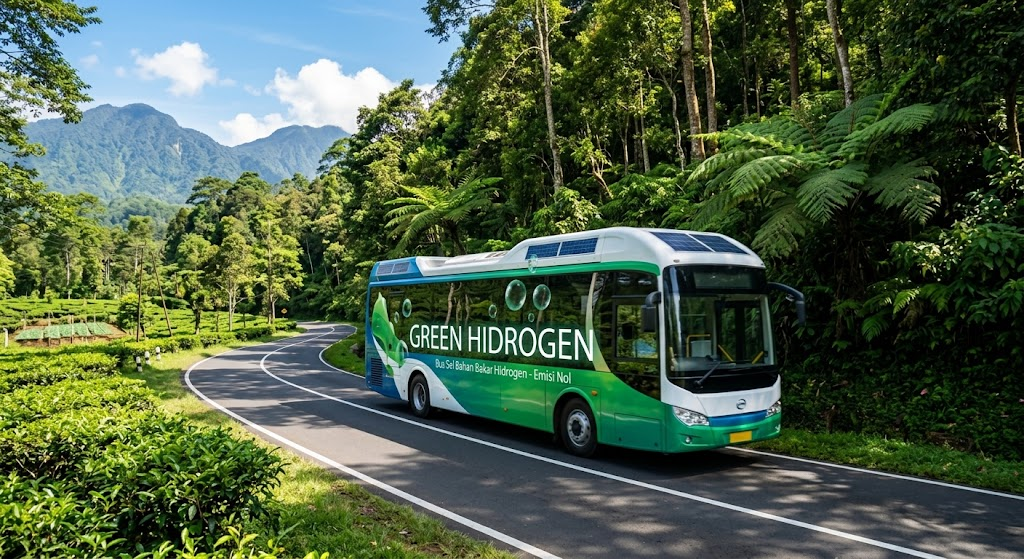
Green Hydrogen from Syngas
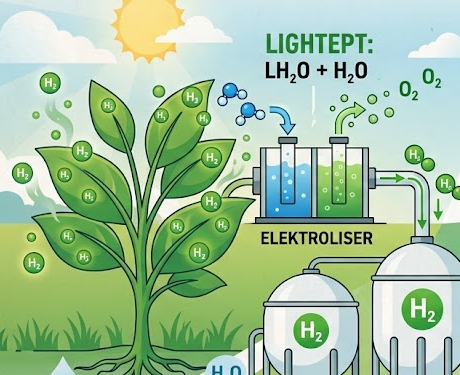
Syngas is a highly versatile fuel mixture primarily composed of hydrogen (H2), carbon monoxide (CO), carbon dioxide (CO2) and methane (CH4), that can be produced from virtually any organic matter. This gas is one of the best precursor of green hydrogen, from a flexible pyrolysis plant into green hydrogen (H2) offers a highly lucrative, low-carbon pathway.
Biocoal and Biochar Production in Single Process
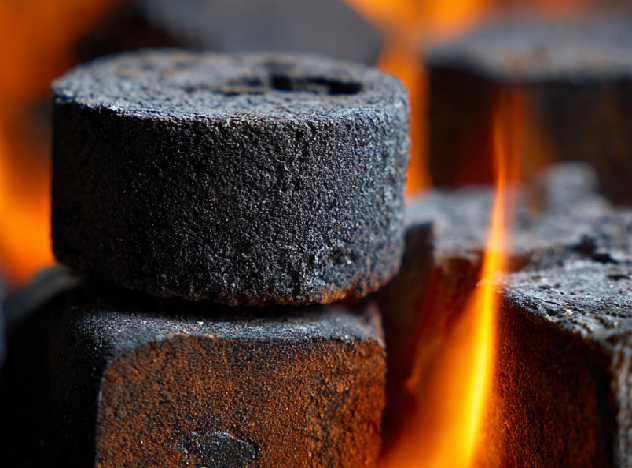
t is an efficient, rapid, and sustainable thermochemical process for converting biomass into high-quality biocoal (solid fuel) and biochar by using electromagnetic radiation for internal heating. It enables faster heating, precise temperature control, and often higher carbon yields compared to conventional heating, producing porous, stable carbon-rich materials.
Latest From CLIMATECH
-
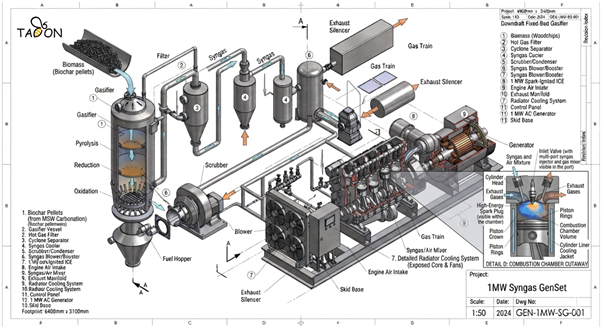
1 MW Biochar-to-Power
Industrial gas engines maintain an electrical efficiency of 32% to 38% even at the 1 MW scale. More electrons per ton of feedstock. Piston engines operate at much lower RPMs (1,000 to 1,500 RPM) and have heavier metallurgy. They are fundamentally built to handle the thermal and fuel variations common to biomass gasification. Unlike turbines,…
-
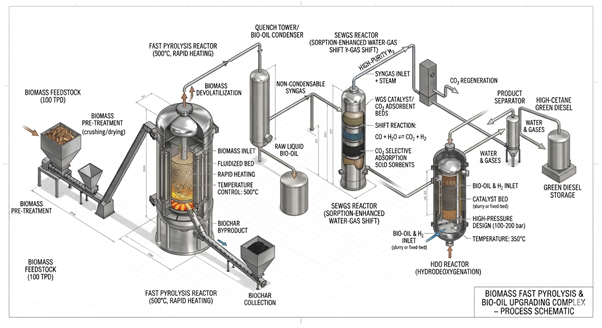
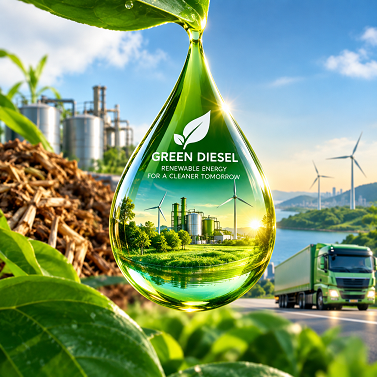
Next-Generation Green Diesel
This revolutionary technology transforms raw biomass into high-cetane green diesel through a self-sustaining, carbon-negative refining process. By combining fast pyrolysis, Sorption-Enhanced Water-Gas Shift (SEWGS), and Advanced Hydrodeoxygenation (HDO), we have engineered a closed-loop system that eliminates the need for expensive external hydrogen—drastically lowering capital and operational expenses while maximizing premium fuel yields. The global demand…
-
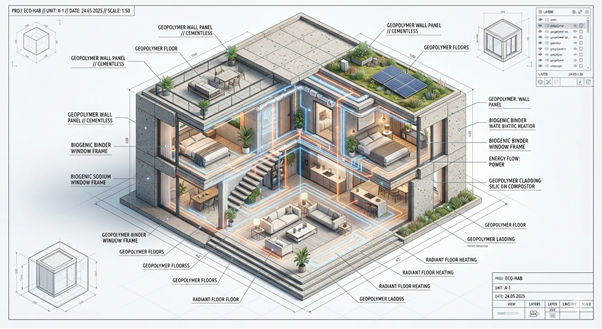
Luxury Redefined, Carbon Reimagined
The Horizon Estate represents a radical evolution in architectural design—a breathtaking, futuristic two-story luxury sanctuary built entirely without a single grain of traditional cement. By replacing legacy materials with cutting-edge molecular engineering, we have created a structural masterpiece that doesn’t just minimize its environmental footprint; it actively heals the planet while offering an unparalleled living…
03+
Projects Completed
10+
Journl Generated
100k
Tons CO2 Saved
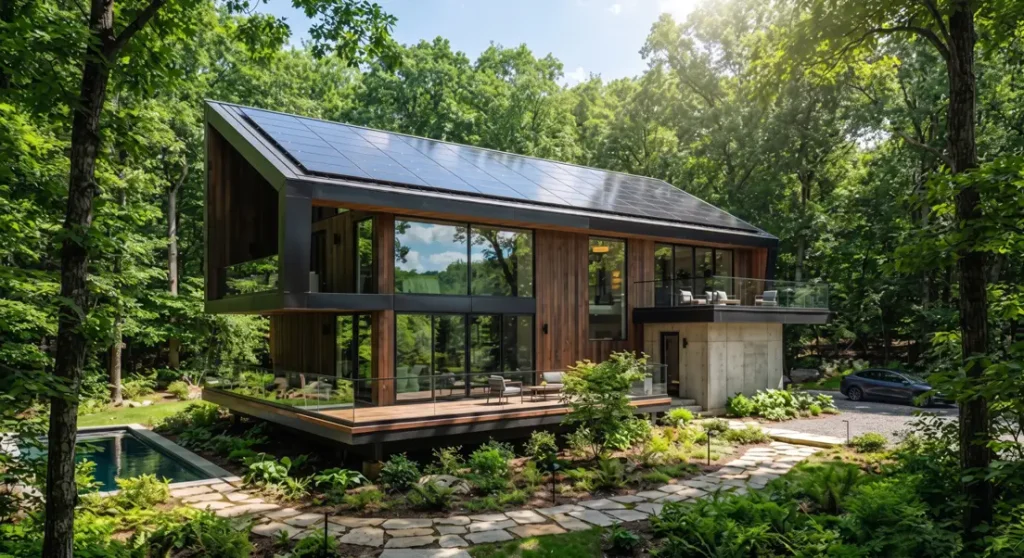
Our Mission
1000 TPD Waste to Wealth Model
An intermediate pyrolysis facility treating 1,000 tons per day (tpd) of processed Indonesian Municipal Solid Waste (MSW) yields 300 tpd of Char, 400 tpd of Pyrolytic Oil, 250 tpd of Syngas, and 4.17 MW of electricity via an Organic Rankine Cycle (ORC) waste heat recovery loop
- ✅ Industry-leading conversion efficiency
- ✅ Minimal footprint installation processes
- ✅ 24/7 intelligent grid monitoring